Signs Your Artificial Grass Needs Repair
Identifying signs your artificial grass needs repair helps you find local contractors who can restore its appearance and functionality efficiently.
If your artificial grass shows signs of wear or damage, it’s important to recognize these issues early. Common indicators include uneven surfaces, visible seams or loose edges, and areas where the turf appears flattened or discolored. These problems can affect the overall appearance and safety of your outdoor space, making it less inviting and potentially hazardous for children and pets. Property owners in the area often explore repair options to restore the look and functionality of their artificial turf, ensuring it continues to enhance their outdoor environment.
Understanding when artificial grass needs repair can help prevent further deterioration and costly replacements down the line. Local contractors who specialize in artificial turf repair are equipped to address issues like torn sections, infill displacement, and drainage problems. Keeping an eye out for these signs and seeking professional assistance can extend the lifespan of the turf and maintain its aesthetic appeal. Keep reading to learn more about common problems and how experienced service providers can help restore your artificial grass to its best condition.
- Artificial turf patching - when sections of the grass appear worn or damaged, local contractors can repair or replace affected areas to restore a seamless look.
- Seam repair services - if seams in the artificial grass are lifting or splitting, service providers can re-adhere or reinforce the seams for a secure, even surface.
- Infill replacement - signs of uneven surfaces or compacted infill can be addressed by local pros who can add or redistribute infill to maintain proper cushioning and appearance.
- Drainage issues - pooling or water buildup on the turf indicates drainage problems that local contractors can fix by adjusting or installing proper drainage solutions.
- Surface leveling - if the artificial grass has become uneven or develops dips, service providers can level and re-install sections to ensure a smooth, safe surface.
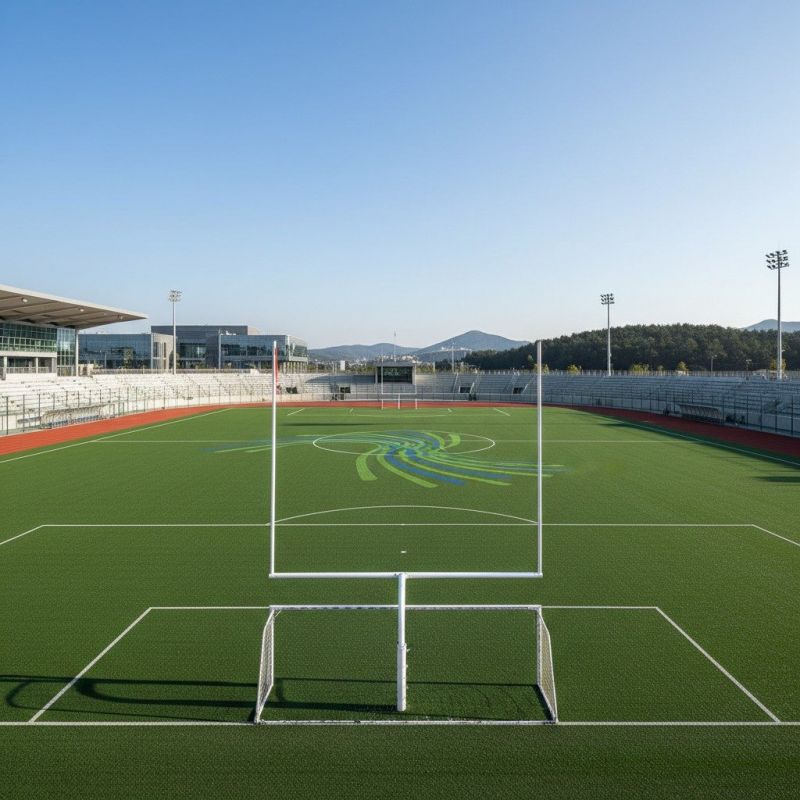
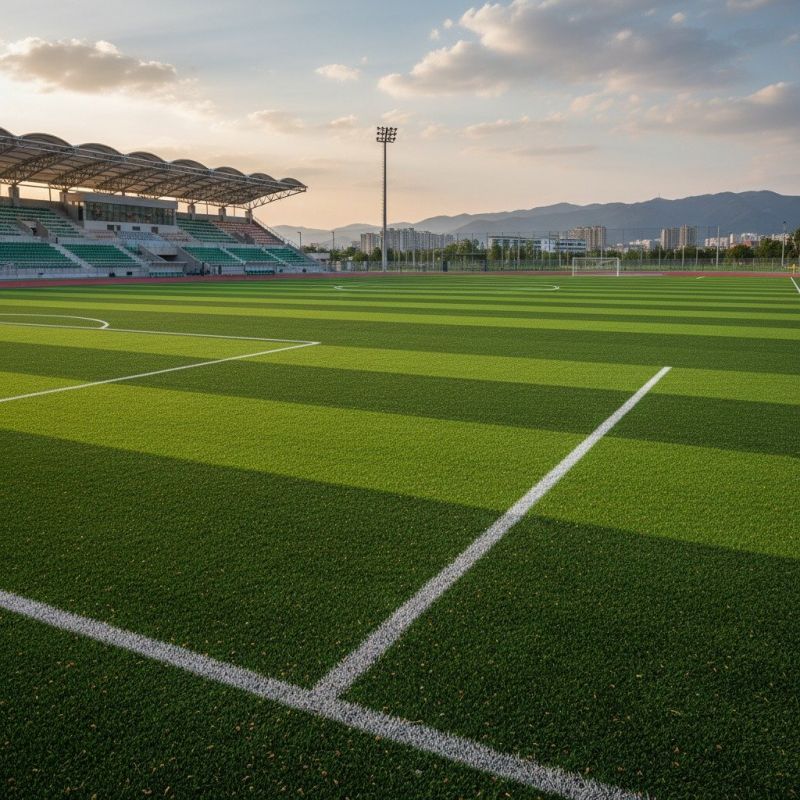
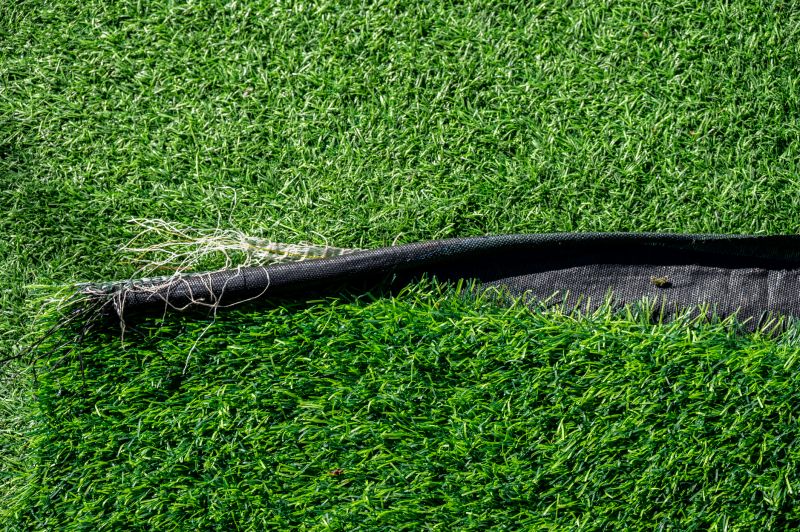
When homeowners search for signs your artificial grass needs repair, they are typically looking for indicators that their synthetic turf has experienced damage or deterioration over time. Artificial grass is often installed in yards, playgrounds, sports fields, or commercial landscapes, and understanding when it requires attention is key to maintaining its appearance and functionality. People interested in this topic want to know how to identify issues early before they worsen, ensuring their investment remains attractive and safe. Recognizing these signs helps property owners decide whether to seek professional repair services to restore the turf’s original look and performance.
The problems prompting concern often relate to visible surface damage, unevenness, or compromised structural integrity. Common issues include bald patches where the turf has worn thin or become flattened, seams that have come apart, or areas where the infill has shifted or become sparse. Additionally, discoloration or fading can indicate aging or exposure to harsh elements, while tears or rips suggest physical damage from heavy use or accidents. These problems can interfere with the turf’s aesthetic appeal, safety, and usability, making timely repairs essential. Service providers specializing in artificial turf repair are equipped to address these issues, whether through patching, re-seaming, or replacing sections of the turf.
Different types of properties often encounter these issues, including residential yards, sports complexes, playgrounds, and commercial landscapes. Homes with artificial grass in the backyard may experience wear from foot traffic, pets, or outdoor activities, leading to patches or uneven surfaces. Sports fields or playgrounds are more susceptible to tearing or seam separation due to frequent use and impact. Commercial properties, such as retail or hospitality spaces with synthetic turf, may also see signs of aging or damage from heavy foot traffic or equipment. Recognizing the specific signs of wear and damage common to each property type can help property owners determine when professional repair services are needed to keep their artificial grass looking and functioning its best.
Identifying signs your artificial grass needs repair is an important step in maintaining its longevity and appearance. Visible issues like bald patches, uneven surfaces, or tears are clear indicators that repairs are necessary. Other signs include loose seams, displaced infill, or significant fading that diminishes the turf’s visual appeal. If these problems are left unaddressed, they can worsen over time, leading to more extensive and costly repairs. Connecting with experienced service providers can ensure that repairs are performed correctly and efficiently, helping property owners preserve their artificial grass’s quality. Whether the project involves patching small damaged areas or full section replacements, local contractors can provide the expertise needed to restore the turf to its original condition.
Landscape renovation projects - these involve planning and executing updates to outdoor spaces, requiring similar skills in surface assessment and surface preparation as artificial turf repair.
Drainage system installations - installing or repairing drainage involves understanding soil conditions and surface integrity, skills useful for identifying and fixing turf damage.
Ground leveling and grading - ensuring even surfaces for various outdoor projects shares planning and surface assessment techniques with artificial grass repair.
Hardscape installation - laying patios, walkways, or retaining walls involves surface preparation and material handling similar to turf repair tasks.
Synthetic surface installation - installing sports courts or playground surfaces requires similar knowledge of surface materials and repair techniques as artificial grass.
Soil and turf testing services - these help diagnose underlying issues affecting artificial grass, aligning with the skills needed for turf repair assessments and solutions.
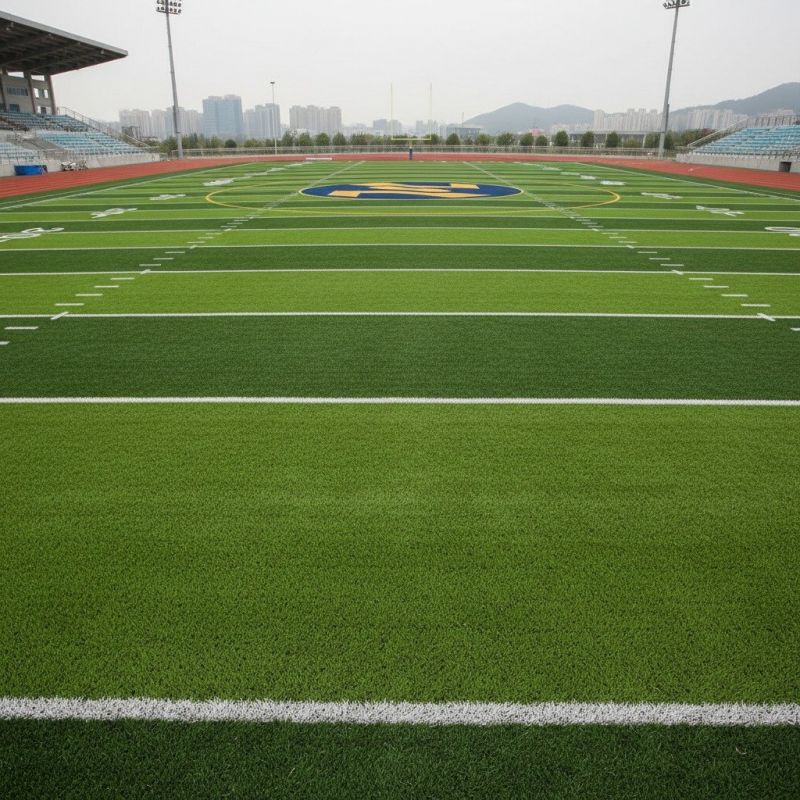
When evaluating service providers for artificial turf repair, it’s important to consider their experience with similar projects. Homeowners should inquire about how many repairs they have completed that involve issues like uneven surfaces, worn patches, or damaged seams. Contractors with a proven track record in handling artificial grass repairs are more likely to understand the nuances of different turf materials and installation techniques, which can help ensure the repair work blends seamlessly with the existing landscape. Checking references or reviews from previous clients can provide insight into their capability to deliver quality results and handle specific concerns related to signs your artificial grass needs repair.
Clear and detailed written expectations are essential when comparing local service providers. Homeowners should seek out contractors who can provide a thorough explanation of what the repair process will entail, including the scope of work, materials used, and any potential limitations. Having a well-defined plan helps prevent misunderstandings and ensures that both parties are aligned on the project’s goals. It’s also beneficial to ask how the contractor plans to address common issues like loose seams, matting, or surface irregularities, which are typical signs that artificial grass may need repair. A transparent approach to expectations fosters trust and provides a clearer picture of what the repair work will accomplish.
Effective communication is a key factor in choosing the right artificial turf repair service provider. Homeowners should prioritize contractors who are responsive, willing to answer questions, and provide updates throughout the project. Good communication helps ensure that concerns about specific signs your artificial grass needs repair-such as discoloration, unevenness, or loose sections-are understood and addressed properly. Reputable service providers are often transparent about their process and willing to discuss options for repair or replacement, making it easier for homeowners to make informed decisions. By selecting a contractor who communicates clearly and professionally, homeowners can feel more confident that the repair work will meet their expectations and resolve the issues with their artificial turf effectively.
Property owners often search for signs your artificial grass needs repair when they are planning practical projects around their homes and businesses. Local pros provide Artificial Turf Repair services for everyday jobs and straightforward project options.
Signs your artificial grass needs repair can often be noticed through common, everyday issues on a property. For instance, uneven surfaces or areas where the turf appears flattened or sagging may indicate underlying damage or improper installation. Additionally, visible wear and tear, such as frayed edges, loose seams, or bald patches where the turf fibers have become thin or missing, are clear indicators that repairs might be necessary to restore the surface’s appearance and functionality.
Property owners in the area might look into artificial turf repair services when they encounter issues like persistent weeds growing through the turf, drainage problems causing water pooling, or damage from pets and heavy foot traffic. These problems can compromise the safety and aesthetic appeal of the artificial grass, prompting a need for professional intervention. Local service providers are equipped to handle these common repair needs, helping to maintain the turf’s condition and extend its lifespan.
How can I tell if my artificial grass has uneven patches? Uneven patches can be identified by areas that appear lifted, sunken, or differently textured compared to the rest of the surface, indicating the need for repair by local contractors.
What are signs of damage or tears in artificial turf? Visible tears, rips, or frayed edges are common signs that the turf may require professional repair to prevent further deterioration.
How do I know if the infill has shifted or become sparse? If the infill material appears uneven, clumped, or has settled significantly, it can affect the turf’s appearance and performance, signaling a need for repair services.
What indicates that the backing or foundation of the artificial grass is compromised? Signs include bubbling, sinking, or loose areas that suggest the underlying structure may be damaged and need attention from local service providers.
When should I consider repairing my artificial grass due to staining or discoloration? Persistent stains or uneven discoloration that do not respond to cleaning may point to underlying issues requiring professional repair to restore the turf’s appearance.
Visible Wear and Tear - noticing frayed or bald patches in the turf can indicate areas needing repair, prompting property owners to seek professional restoration services.
Uneven Surface - feeling or seeing uneven spots on the artificial grass surface suggests underlying issues that local contractors can address with proper leveling or patching.
Fading or Discoloration - significant color loss or mismatched patches can signal the need for turf replacement or touch-up work by experienced repair specialists.
Drainage Problems - pooling water or poor runoff after rain may point to damaged or clogged infill and drainage systems, which local service providers can repair efficiently.
If you are thinking about signs your artificial grass needs repair for a property, this guide is meant to help you understand this topic, the typical project types, and how different options might fit your plans.
When you are ready, you can use the quote form on this page to share a few details about your project. From there, local pros can review the basics and follow up with options that match what you have in mind.