Poison Ivy Removal in Bucks County, PA
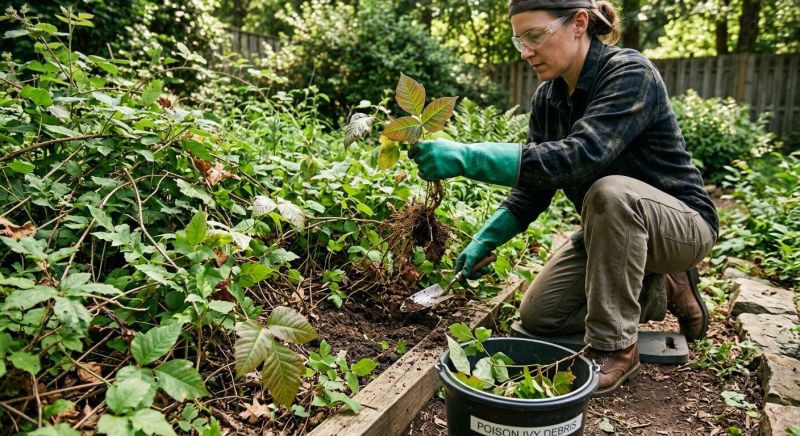
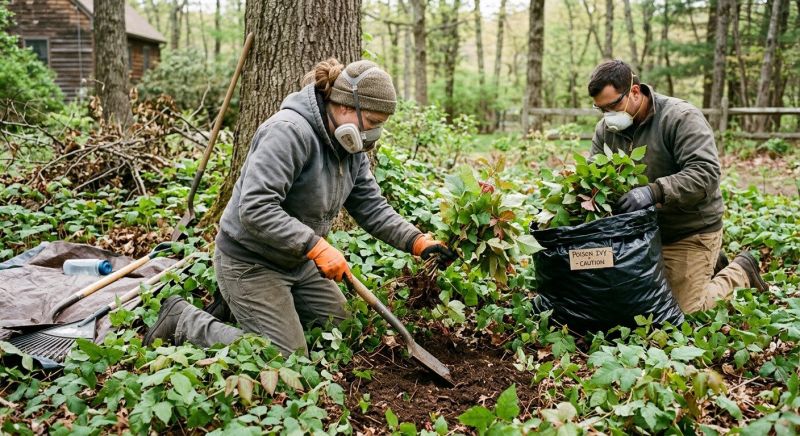
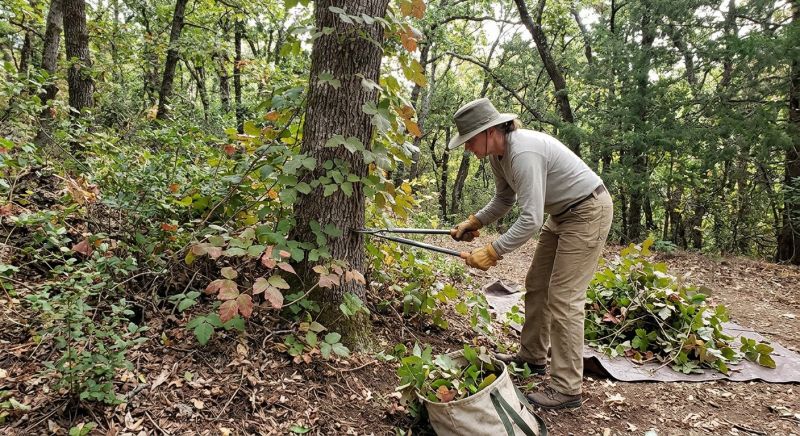
Poison ivy removal services focus on safely eliminating this common plant from residential properties, helping homeowners maintain a safe and enjoyable outdoor space. These services typically cover a variety of projects, including clearing poison ivy from lawns, gardens, fences, trees, and shrubbery. Property owners often want to understand the best methods for removing the plant without damaging surrounding vegetation and whether the removal process involves chemical treatments, manual removal, or a combination of both.
Before requesting poison ivy removal, homeowners usually seek information about the extent of the infestation and the best time for removal to prevent regrowth. It’s also important to understand the potential risks associated with exposure to the plant’s urushiol oil, which can cause skin irritation. Clarifying what to expect during the removal process, including cleanup and disposal, helps property owners plan accordingly and ensure the safety of everyone on the property.
Many property owners in Bucks County, PA look into Poison Ivy Removal for repairs, replacements, upgrades, and appearance-related improvements.
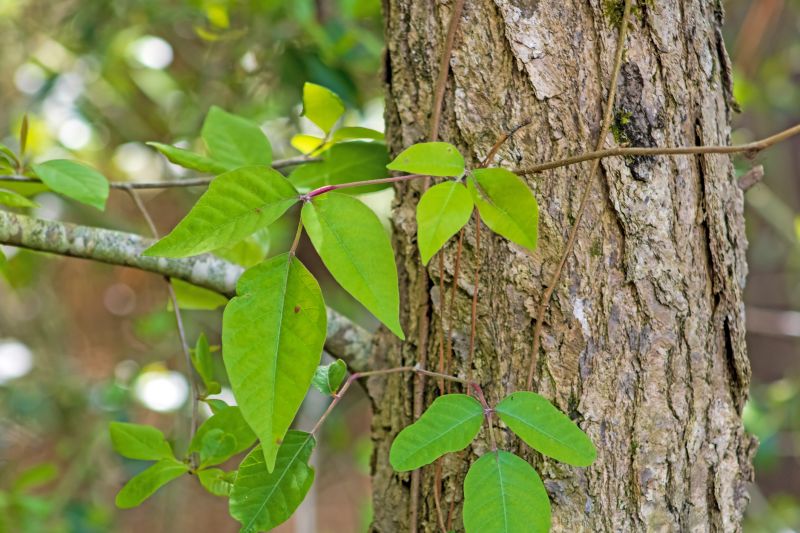
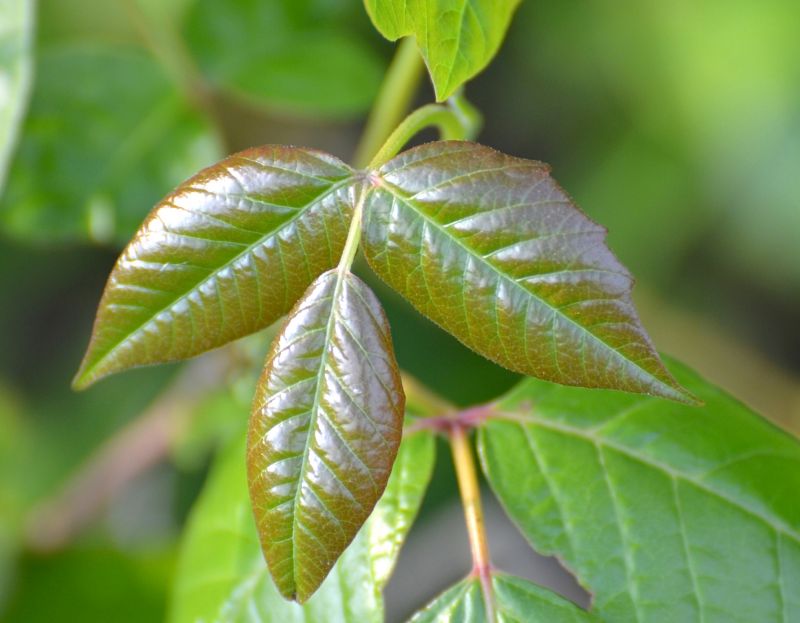
Identifying Poison Ivy
Recognizing the signs of poison ivy on residential and commercial properties in bucks county.
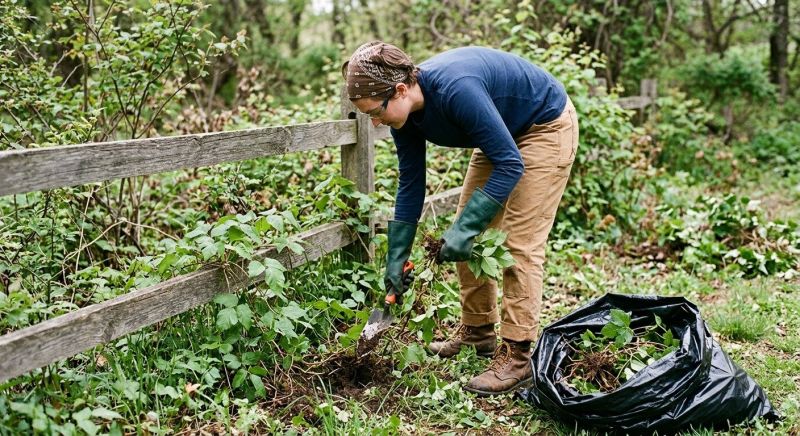
Safe Removal Methods
Using effective techniques to eliminate poison ivy while protecting surrounding plants and landscapes.
Preventative Care
Implementing strategies to prevent future growth and keep properties safe from poison ivy encroachment.
Poison Ivy Removal in Bucks County, PA
Poison ivy removal services focus on safely eliminating this common plant from residential properties, helping homeowners maintain a safe and enjoyable outdoor space. These services typically cover a variety of projects, including clearing poison ivy from lawns, gardens, fences, trees, and shrubbery. Property owners often want to understand the best methods for removing the plant without damaging surrounding vegetation and whether the removal process involves chemical treatments, manual removal, or a combination of both.
Before requesting poison ivy removal, homeowners usually seek information about the extent of the infestation and the best time for removal to prevent regrowth. It’s also important to understand the potential risks associated with exposure to the plant’s urushiol oil, which can cause skin irritation. Clarifying what to expect during the removal process, including cleanup and disposal, helps property owners plan accordingly and ensure the safety of everyone on the property.
Many property owners in Bucks County, PA look into Poison Ivy Removal for repairs, replacements, upgrades, and appearance-related improvements.
Common Poison Ivy Removal Jobs
Poison Ivy Removal - Safely eliminates poison ivy from yards, fences, and landscaping.
Property Clearing - Removes poison ivy from wooded areas and overgrown lots.
Landscape Maintenance - Prevents poison ivy regrowth through targeted removal and control.
Vegetation Management - Addresses poison ivy growth around trees, shrubs, and garden beds.
Trail and Pathway Clearing - Ensures safe walking areas by removing poison ivy along trails and walkways.
Yard Cleanup - Restores safety and aesthetics by removing poison ivy from lawn edges and flower beds.
Poison Ivy Removal Questions
What is poison ivy removal? Poison ivy removal involves safely eliminating the plant from residential or commercial properties to prevent skin irritation and property damage.
When should poison ivy be removed? Removal is recommended when poison ivy is causing safety concerns, growing near walkways, or spreading on the property.
What methods are used for poison ivy removal? Techniques include manual removal, herbicide application, and root eradication to ensure complete elimination of the plant.
Is poison ivy removal safe for my landscape? Yes, professional removal aims to eliminate the plant without harming surrounding trees, shrubs, or lawn areas.
Request Poison Ivy Removal in Bucks County, PA
Use the quote form on this page to share the basics of your project and request more information for the type of work you need.