Poison Ivy Removal in Burlington County, NJ
Poison ivy removal services focus on safely eliminating this invasive plant from residential properties. These services typically cover projects such as clearing overgrown areas, maintaining yards, and removing poison ivy from trees, fences, or other structures. Property owners usually want to understand the scope of the removal process, the importance of proper identification, and the potential risks associated with handling poison ivy, especially for those unfamiliar with its appearance or the symptoms of contact dermatitis.
Before requesting poison ivy removal, homeowners should consider the extent of the infestation and whether the plant has spread to hard-to-reach areas. It’s helpful to know if professional removal includes both the eradication of visible plants and the treatment of root systems to prevent regrowth. Clarifying whether the service involves disposal methods and the safety precautions taken during removal can ensure that the project aligns with property maintenance goals and safety standards.
Many property owners in Burlington County, NJ look into Poison Ivy Removal for repairs, replacements, upgrades, and appearance-related improvements.
Understanding Poison Ivy
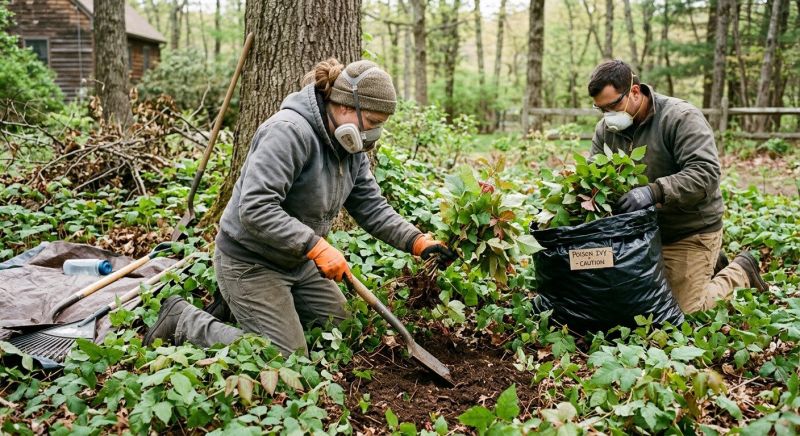
Poison ivy is a common plant in burlington county that can cause skin irritation and allergic reactions.
Signs Of Infestation
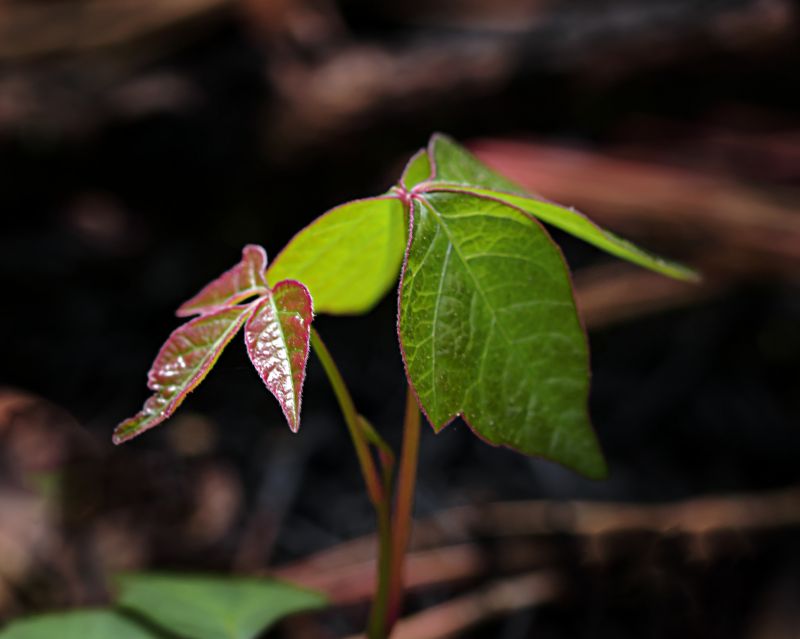
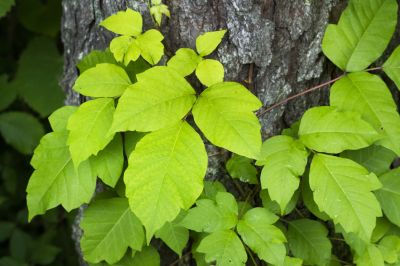
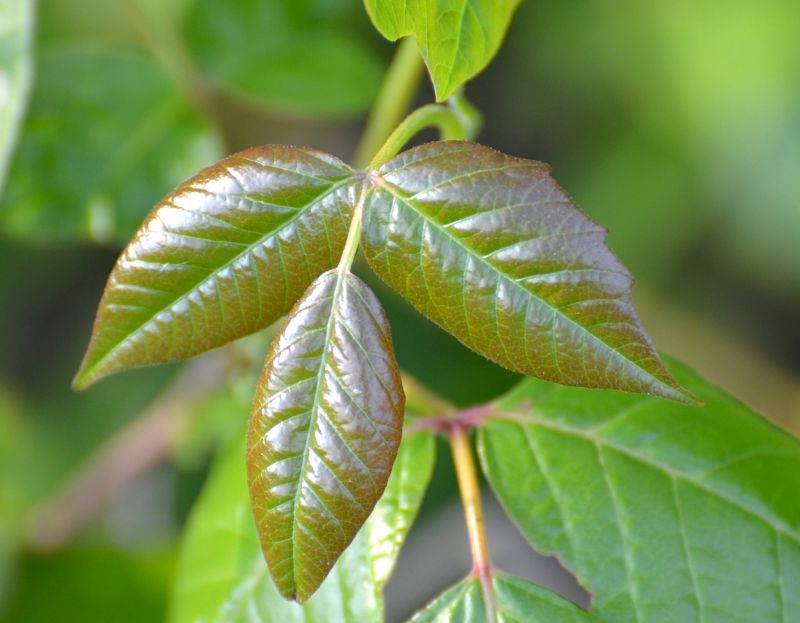
Property owners may notice clusters of three-leaf plants or skin rashes after contact with affected areas.
Removal And Prevention
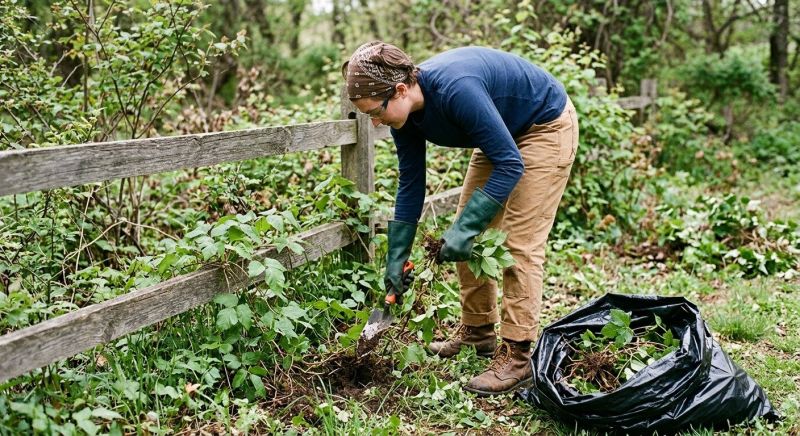
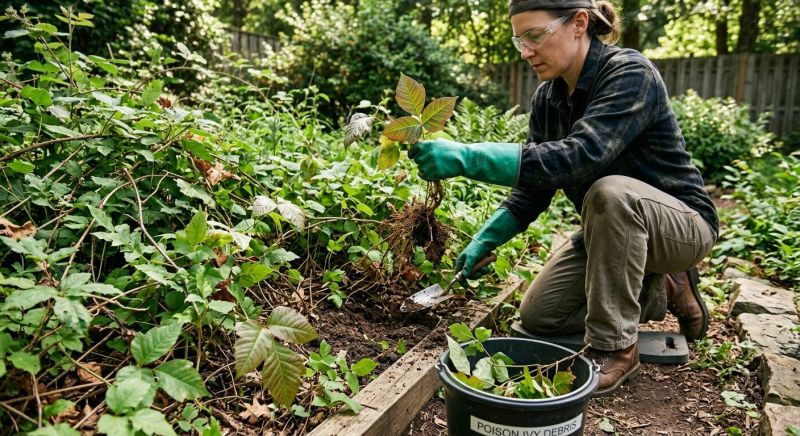
Professional removal helps eliminate poison ivy safely and reduces the risk of future growth on residential and commercial properties.
Poison Ivy Removal in Burlington County, NJ
Poison ivy removal services focus on safely eliminating this invasive plant from residential properties. These services typically cover projects such as clearing overgrown areas, maintaining yards, and removing poison ivy from trees, fences, or other structures. Property owners usually want to understand the scope of the removal process, the importance of proper identification, and the potential risks associated with handling poison ivy, especially for those unfamiliar with its appearance or the symptoms of contact dermatitis.
Before requesting poison ivy removal, homeowners should consider the extent of the infestation and whether the plant has spread to hard-to-reach areas. It’s helpful to know if professional removal includes both the eradication of visible plants and the treatment of root systems to prevent regrowth. Clarifying whether the service involves disposal methods and the safety precautions taken during removal can ensure that the project aligns with property maintenance goals and safety standards.
Many property owners in Burlington County, NJ look into Poison Ivy Removal for repairs, replacements, upgrades, and appearance-related improvements.
Common Poison Ivy Removal Jobs
Poison Ivy Removal - Safe removal of poison ivy from lawns, gardens, and landscapes.
Property Clearing - Clearing overgrown areas to eliminate poison ivy growth.
Landscape Maintenance - Regular upkeep to prevent poison ivy from spreading.
Yard Cleanup - Removing poison ivy vines from trees, fences, and structures.
Vegetation Management - Controlling invasive plants that include poison ivy.
Hazard Prevention - Reducing the risk of skin irritation and allergic reactions.
Poison Ivy Removal Questions
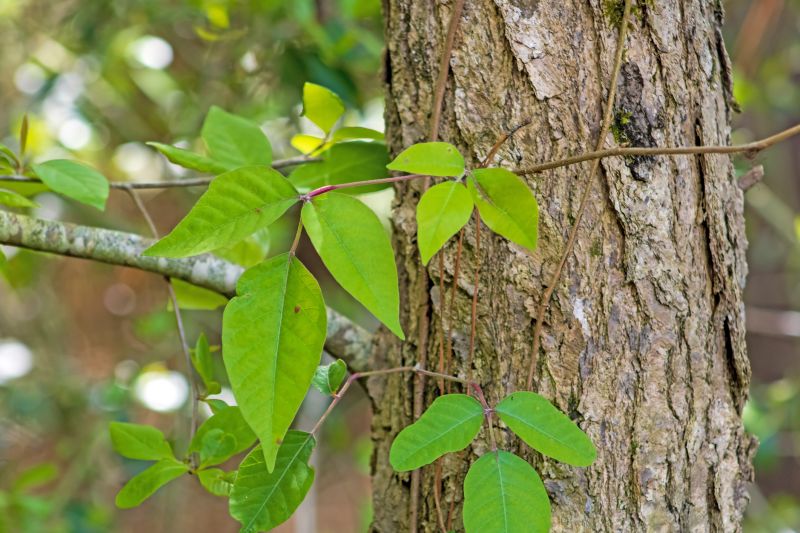
How can I identify poison ivy on my property? Poison ivy typically has three leaflets with a shiny surface and may grow as vines or shrubs. Look for reddish stems and clusters of small berries, especially in wooded or shaded areas.
Is poison ivy removal safe to do myself? Handling poison ivy can cause skin irritation and allergic reactions. Professional removal ensures safe and effective elimination, reducing the risk of exposure.
What methods are used to remove poison ivy? Removal often involves physical removal of vines and plants, sometimes combined with herbicide treatments to prevent regrowth, depending on the extent of infestation.
Will poison ivy grow back after removal? Without proper removal, poison ivy can regrow from roots or remaining plant fragments. Complete removal usually requires thorough clearing and treatment to prevent resurgence.
Request Poison Ivy Removal in Burlington County, NJ
Use the quote form on this page to share the basics of your project and request more information for the type of work you need.