Common Artificial Turf Problems In Residential Yards
To fix common artificial turf problems in residential yards, local contractors can assess issues like tears, uneven surfaces, and drainage problems to restore a safe, attractive lawn.
Homeowners with artificial turf in residential yards often encounter common problems that can affect the appearance and functionality of their outdoor spaces. Issues like uneven surfaces, turf that appears worn or faded, and drainage problems are typical concerns that may require professional attention. Understanding these challenges can help property owners make informed decisions about maintenance or repairs, ensuring their yard remains attractive and safe for everyday use. Exploring this topic can also highlight the importance of working with experienced service providers who specialize in artificial turf repair, capable of addressing these common issues effectively.
For those noticing signs of wear or damage in their artificial turf, connecting with local contractors who offer dedicated repair services can be a practical step. These professionals are skilled at diagnosing problems such as loose seams, embedded debris, or mold growth, and can restore the turf’s original look and performance. By learning about the typical issues encountered with artificial turf, property owners can better determine when repairs are needed and seek out trusted service providers who can handle the job with expertise. Keep reading to discover more about common artificial turf problems and how local pros can help maintain a beautiful, functional yard.
- Artificial turf patching - homeowners noticing worn or torn areas in their residential yards may seek local pros to repair and restore the turf’s appearance.
- Seam and edging repair - when seams start to lift or edges become frayed, local contractors can effectively reattach and secure the turf to prevent further damage.
- Drainage correction - poor drainage causing pooling or water pooling issues in artificial turf often requires local pros to improve the sub-base and drainage system.
- Infill replacement - uneven surfaces or compacted infill can lead to unsafe play areas, prompting service providers to refresh or redistribute infill materials.
- Surface leveling - uneven turf surfaces caused by settling or shifting can be addressed by local contractors to ensure a smooth, safe yard.
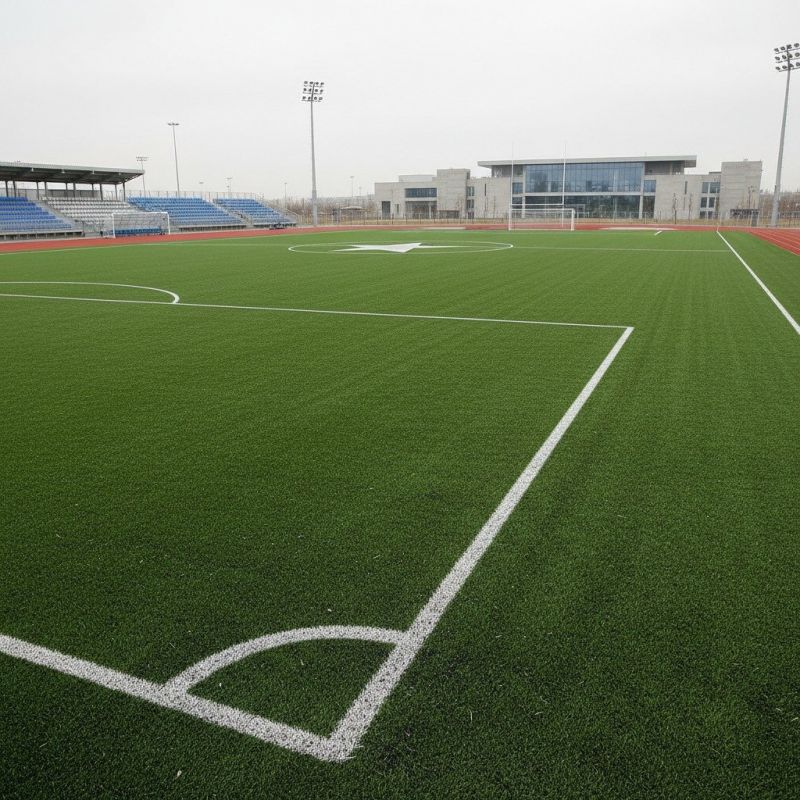
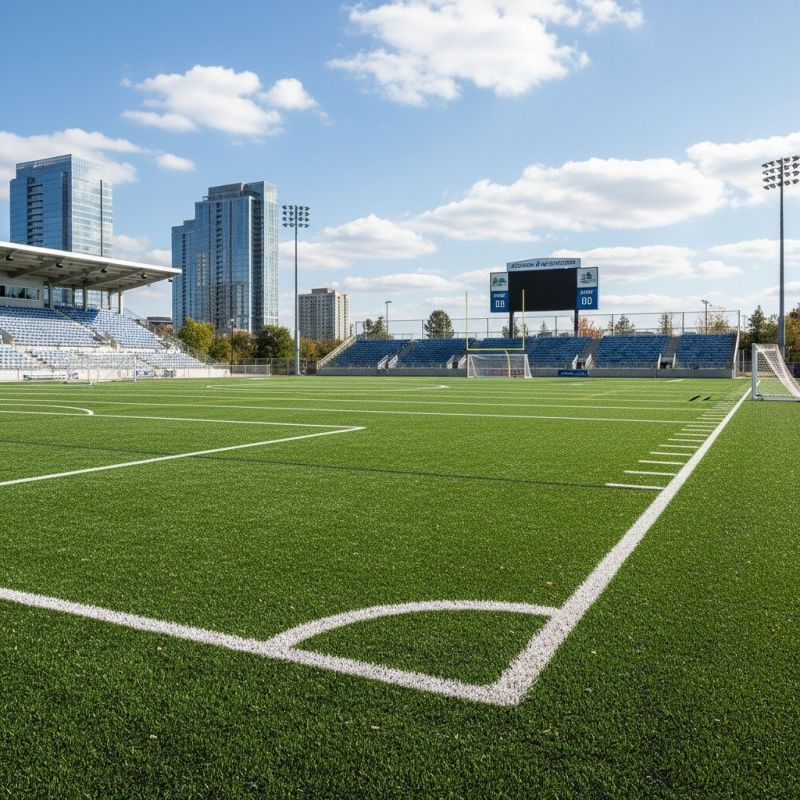
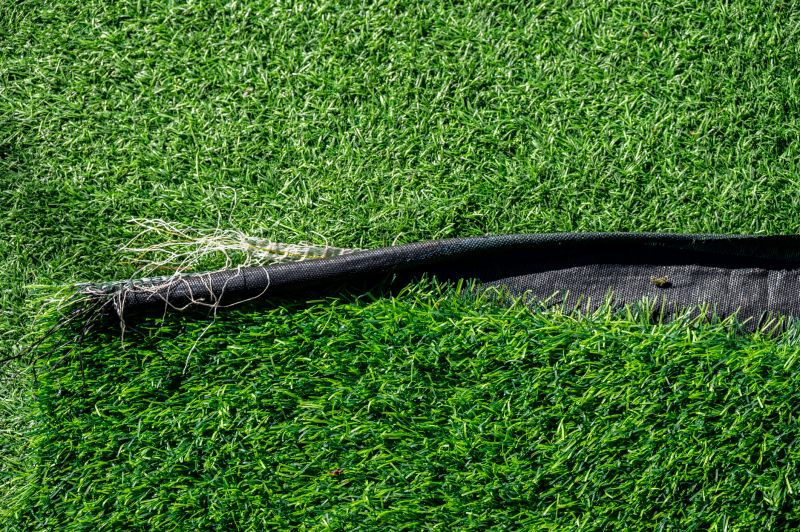
Many homeowners turn to artificial turf for a low-maintenance and visually appealing yard, but over time, common artificial turf problems in residential yards can arise that affect both appearance and functionality. One frequent issue is uneven or lumpy turf, which can develop due to improper installation or shifting of the base materials. This can lead to an unnatural look and create tripping hazards. Local contractors specializing in artificial turf repair often address these problems by re-leveling the surface and ensuring the base is stable, restoring the yard’s smooth, natural appearance.
Another common concern involves drainage problems. Poor drainage can cause water to pool on the surface, leading to soggy patches or even damage to the turf backing. This issue is often linked to inadequate grading or compacted soil beneath the turf. Homeowners may notice standing water after rain or frequent dampness that persists longer than expected. Local service providers can evaluate drainage issues and implement solutions such as adding proper grading or installing drainage systems to prevent future pooling and protect the turf’s longevity.
Fading and discoloration are also typical artificial turf problems in residential yards, especially in areas exposed to direct sunlight. Over time, UV rays can cause the turf’s color to fade unevenly, resulting in an unattractive, patchy appearance. Additionally, staining from organic debris, spills, or pet waste can contribute to discoloration. Repair professionals can often replace damaged sections or apply treatments to improve color retention, helping yards maintain a vibrant, fresh look. These services help homeowners preserve the aesthetic appeal of their outdoor space despite exposure to the elements.
Lastly, damage from pets or heavy foot traffic can lead to tears, bald spots, or worn areas in artificial turf. Such damage not only diminishes the yard’s visual appeal but can also create safety concerns. Pet accidents, sharp objects, or high activity levels can accelerate wear and tear. Local contractors experienced in artificial turf repair can patch or replace damaged sections, reinforce weak spots, and ensure the surface remains durable and safe for everyday use. Addressing these common problems helps homeowners enjoy a well-maintained yard that looks great and functions effectively.
Landscape Design Projects - These projects often involve planning and installing various ground covers, including artificial turf, requiring similar skills in site assessment and surface preparation as turf repair services.
Yard Drainage Improvements - Addressing drainage issues in residential yards can prevent turf problems like pooling and erosion, and local contractors experienced in drainage work can assist with turf maintenance and repair.
Synthetic Grass Installations - New synthetic grass projects share techniques with turf repair, such as surface leveling and seam work, making local service providers familiar with common turf issues and solutions.
Patio and Deck Construction - These projects often involve integrating different surface materials, requiring knowledge of turf compatibility and repair to ensure seamless outdoor spaces.
Soil and Grading Services - Proper grading and soil preparation help prevent common artificial turf problems like uneven surfaces and drainage issues, which local contractors can address effectively.
Outdoor Drainage System Installations - Installing effective drainage systems can mitigate turf problems caused by excess water, with local pros capable of integrating these systems into turf repair plans.
When evaluating service providers for artificial turf repair, it’s important to consider their experience with similar projects, particularly those that address common artificial turf problems in residential yards. Homeowners should inquire about the types of repairs they have performed in the past and whether they have encountered issues like uneven surfaces, drainage problems, or turf wear. A contractor with a proven track record handling these specific concerns can often provide more reliable solutions and better understand the nuances of maintaining artificial turf in a residential setting.
Clear, written expectations are essential when comparing local contractors for artificial turf repair services. Homeowners should seek detailed descriptions of the scope of work, including what repairs will be addressed and the materials or methods that will be used. This transparency helps ensure that both parties have aligned understanding of the project, reducing the risk of misunderstandings or unmet expectations. Reputable service providers often provide comprehensive estimates or proposals that outline the work to be performed, giving homeowners confidence in their decision-making process.
Effective communication and reputable references are key factors when selecting a contractor for artificial turf repairs. Homeowners should feel comfortable asking for references or examples of previous projects similar to their own, especially those that involved resolving common artificial turf problems. Good communication throughout the process allows for questions or concerns to be addressed promptly, making the repair experience smoother. Trustworthy contractors are typically open about their work history and eager to provide insights into their experience, helping homeowners make informed choices when choosing a service provider for artificial turf repair needs.
Property owners often search for common artificial turf problems in residential yards when they are planning practical projects around their homes and businesses. Local pros provide Artificial Turf Repair services for everyday jobs and straightforward project options.
Many property owners in residential yards encounter common artificial turf problems that can affect the appearance and functionality of their outdoor space. Over time, issues such as uneven surfaces, loose seams, or areas where the turf has shifted can become noticeable, especially after heavy foot traffic or weather changes. These everyday project situations often lead property owners to seek the assistance of local contractors who specialize in artificial turf repair, ensuring their yard remains attractive and safe for use.
Other frequent concerns include turf discoloration, bald patches, or weed infiltration that can compromise the overall look of the landscape. Such problems are typical in residential settings and may result from improper installation, poor drainage, or natural wear and tear. When these issues arise, property owners frequently look for experienced service providers who can effectively address and repair artificial turf, helping to restore a seamless and durable yard surface.
What are common issues with artificial turf in residential yards? Common artificial turf problems include uneven surfaces, fading color, loose seams, and drainage issues that can affect appearance and functionality.
How can local contractors repair artificial turf that has developed bald patches? Local service providers can re-anchor or replace damaged sections to restore a seamless and even surface in residential yards.
What causes artificial turf to become discolored or faded over time? Exposure to sunlight, weather conditions, and age can lead to fading, which local pros can address through cleaning, infill replacement, or turf rejuvenation treatments.
Why does artificial turf sometimes develop drainage problems? Improper installation, compacted soil, or clogged drainage systems can cause water pooling, and experienced contractors can improve drainage with proper grading and maintenance.
How do local artificial turf repair services fix seams that are coming apart? They typically re-secure or re-adhere seams using specialized adhesives and techniques to ensure a durable, long-lasting repair in residential yards.
Identifying uneven surfaces - property owners can assess areas where artificial turf has shifted or developed dips, and seek local contractors to level and secure the turf properly.
Addressing pet damage - homeowners with pets can recognize areas of wear or staining and work with local pros to repair or replace affected sections.
Fixing weed intrusion - residents noticing unwanted plants growing through the turf can have local specialists remove weeds and install barriers to prevent future growth.
Repairing torn or damaged turf - property owners can spot tears or holes early and contact local contractors to patch or replace damaged sections for a seamless look.
If you are thinking about common artificial turf problems in residential yards for a property, this guide is meant to help you understand this topic, the typical project types, and how different options might fit your plans.
When you are ready, you can use the quote form on this page to share a few details about your project. From there, local pros can review the basics and follow up with options that match what you have in mind.